Hearth Interactive
History games, old texts in their own languages, and lessons for class.
Games
All games ›English, Daily
Word Passport
Four English words a day, from easy to very hard. Put each word’s earlier forms in order, oldest first, from real sentences in the languages it passed through.
Easyabout 5 min
In English, withLatinGreek
English, Daily
Then or Now?
Six real sentences, one word highlighted in each. Did the writer mean it the old way or today’s way?
Easyabout 4 min
In English
English, Daily
Family Reunion
Sixteen words in English, German, Latin, Greek and more. Sort them into four families of relatives.
Mediumabout 6 min
In English, withLatinGermanGreekGothicSanskritRussianLithuanianOld NorseOld IrishDutchWelsh
Scripts, Lessons
Letter Ladder
Learn a script a few letters at a time, then read real words made only of letters you know.
Beginnerabout 5 min
ChooseHindiArabicMalayalamRussian
Scripts, Practice
Look-alikes
Tell apart the letters easiest to mix up: Arabic letters that differ only by their dots, Hindi pairs like ब and व.
Beginnerabout 3 min
ChooseHindiArabicMalayalamRussian
Scripts, Practice
Name Plate
Read famous names and places in the script, then see your own name written in it, letter by letter.
Beginnerabout 3 min
ChooseHindiArabicRussian
Scripts, Practice
Vowel Builder
Put a vowel sign on a consonant and watch the syllable change: Hindi and Malayalam signs, Arabic short-vowel marks.
Easyabout 4 min
ChooseHindiArabicMalayalam
Scripts, Daily
Loanword Hunt
Find the six English words hiding among twelve words in the script.
Easyabout 4 min
ChooseHindiArabicMalayalamRussian
Scripts, Daily
Read the Sign
Three real signs a day. Tap a letter to see its sound, then say what the sign means.
Mediumabout 4 min
ChooseHindiArabicRussian
Scripts, Daily
Menu Order
A café menu written only in the script. Three customers order in English; find their dishes.
Mediumabout 4 min
ChooseHindiArabicRussian
Scripts, Practice
Map Reader
The towns on the map are labeled only in the script. Read them to find each one.
Mediumabout 3 min
ChooseHindiArabicRussian
Scripts, Timed
Speed Read
As many words as you can read in sixty seconds, with each word’s meaning beside it.
Hardabout 1 min
ChooseHindiArabicMalayalamRussian
Translation, Practice
False Friends
Latin and Greek words that look like English ones, in real sentences. Does each mean what it looks like?
Beginnerabout 4 min
ChooseLatinGreek
Translation, Practice
What Does It Mean?
A Latin or Greek word in the phrase it comes from, and four meanings. Easy mode shows the English with the word left out.
Easyabout 4 minChecked
ChooseLatinGreek
Translation, Practice
Match the Phrase
Five phrases of the original and their English, shuffled. Pair each original with the English that renders it.
Easyabout 3 minChecked
ChooseLatinGreekClassical ChineseEnglishRussianSpanishGermanFrench
Translation, Practice
Close or Free?
One passage and three English versions: word for word, a century old, and plain English today. Which is which?
Easyabout 4 min
ChooseClassical ChineseGreekLatinSpanish
Translation, Daily
Daily Line
Three real sentences a day, in the language you choose. Build each one’s English phrase by phrase, then see how a translator of the 1800s put it.
Mediumabout 6 min
ChooseLatinGreekEnglishClassical ChineseRussian
Translation, Practice
Find the Word
A phrase of Latin or Greek and one English meaning. Tap the word that carries it.
Mediumabout 4 min
ChooseLatinGreek
Translation, Practice
Reading Order
Classical Chinese as Japanese officials read it. Tap the characters in the order a Japanese reader says them. Not yet play-tested or checked.
Hardabout 4 minExperimental
ChooseClassical Chinese
Numbers, Daily
Knot Count
Read and tie numbers in knots on khipu cords, the way Andean record keepers did.
Beginnerabout 4 min
In English
Numbers, Practice
Numbers in Stone
Read and write numbers the way they were carved and pressed: Roman letters on stone, Babylonian wedges in clay, Egyptian hieroglyphs, Greek letters and Maya bars and dots.
Beginnerabout 5 min
In English
Numbers, Practice
Same Number, Many Scripts
Read the digits people write today, from Arabic and Devanagari to Thai, and build numbers from Chinese characters.
Beginnerabout 4 min
In English
Numbers, Practice
Bead by Bead
Push the beads of a soroban, the Japanese abacus, to set, read and add numbers. Five ones trade for a five, and ten carries to the next rod.
Easyabout 4 min
In English
Numbers, Lessons
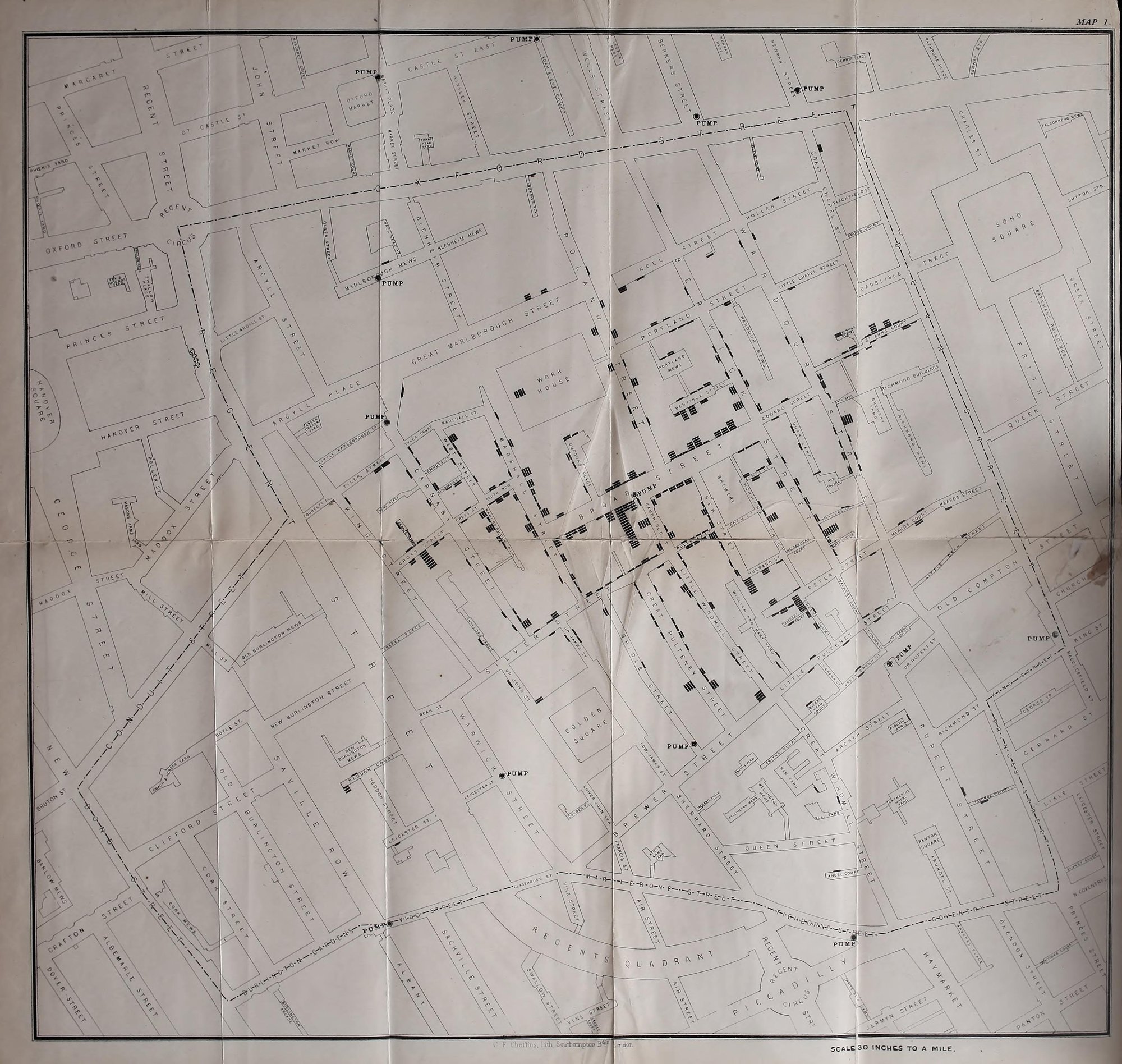
Read the Chart
Read the first great data charts, Playfair's trade lines, Nightingale's wedges and Snow's cholera map, by touching the chart itself.
Mediumabout 8 min
In English
Coming soon to Steam
Space Hotel Ltd
A relaxed 3D tycoon game about building space hotels one module at a time, from low Earth orbit to the Moon, Mars and Saturn.
Space tycoon and management simWindows (Steam)2027
The history behind it:Reaching SpaceChecking In
In development
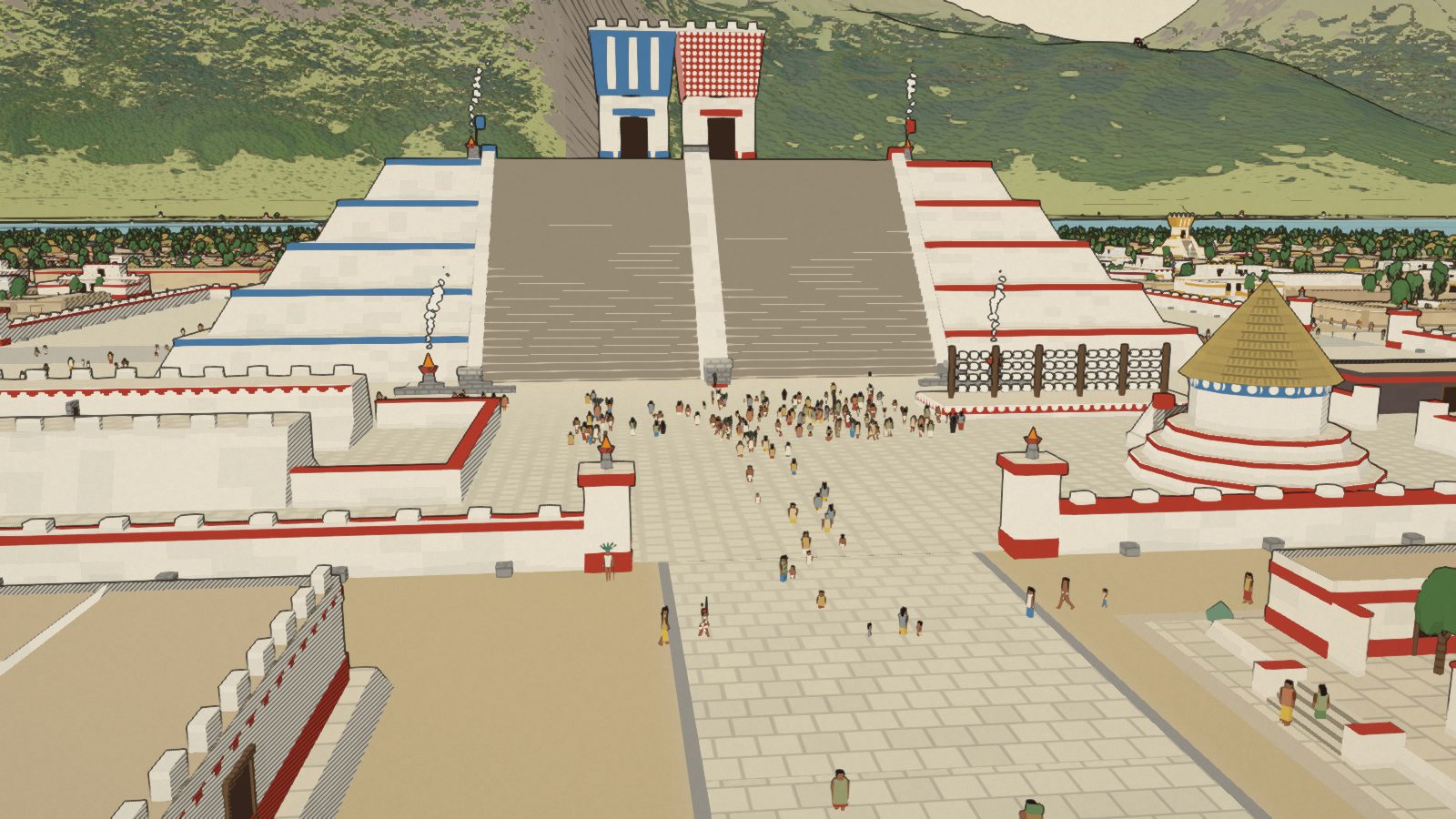
Lost Settlement
The Americas, 1500. Rule a city of canals and temples, or build a new world from one ship.
4X sandboxWindows (Steam)2027
The history behind it:Early AmericasThe Valley of MexicoFood and Farming in the AmericasMarkets and Trade

Collections
All collections ›Set, 37 BCE–1883
Checking In
Inns, hotels, cruises and stores, from Babylon to Skylab
Space Hotel Ltd
LatinOld FrenchEnglishFrench
Set, 1263–1862
Early Americas
First contact and clashes of peoples, about 1000 to 1800
Lost Settlement
Old NorseEpigraphic MayanSpanishItalianPortugueseLatinFrenchClassical NahuatlKaqchikelK’iche’GermanEnglishEarly Modern EnglishAchi
Set, 450 BCE–500
Kitchen, Farm and Fable
Recipes, farm work, animals, fables and lessons in Greek, Latin, Chinese and Japanese
Classical ChineseGreekLatin
Set, 1400–1715
Food and Farming in the Americas
Maize, cassava, cacao and chili, and the people who grew them, about 1500 to 1700
Lost Settlement
Epigraphic MayanItalianSpanishK’iche’FrenchLatinEarly Modern EnglishEnglish
Set, 238–1962
Innovation in History
New ideas, and the people who tried them, sold them or fought them
LatinOld FrenchEnglishClassical ChineseFrenchRussian
Set, 238–1669
Keeping Time
How people named the months and days, fixed the year and kept a diary
LatinEarly Modern English
Set, 1520–1648
Markets and Trade
Who sold what, where, and by what rules
Lost Settlement
SpanishItalianEarly Modern English
Book, 430 BCE–1926
Once in a Lifetime
A First-Hand History of Pandemics
GreekClassical ChineseLatinArabicItalianKaqchikelSpanishEnglishRussianJapanese
Set, 1609–1962
Reaching Space
Imagining space and learning to live there, 1609–1962
Space Hotel Ltd
LatinEnglishRussian
Set, 880–1580
The Story of English
Everyday English from the Old English schoolroom to Shakespeare's farm
Old EnglishMiddle EnglishEarly Modern English
Set, 1520–1651
The Valley of Mexico
Tenochtitlan, the Mexica and their neighbors, about 1450 to 1600
Lost Settlement
SpanishItalianLatinClassical Nahuatl
Sources
Explore the library ›Literature
Sayings on learning, friends and family
Confucius, about 400 BCE, Kitchen, Farm and Fable
Classical ChineseChecked
History
The Plague at Athens, and Pericles Answers the Athenians
Thucydides, after 430 BCE, Once in a Lifetime
GreekChecked
Dialogue
A young wife learns to run the house
Xenophon, about 360 BCE; the exact year is not known, Kitchen, Farm and Fable
GreekChecked
Manual
How to run a farm
Cato, mid-second century BCE, late in Cato’s life, Kitchen, Farm and Fable
LatinChecked
Poem
A bad night at the inn on the road to Brundisium
Horace, journey probably in the spring of 37 BCE; written soon after, Checking In
Latin
Memoir
The Plague at My Country House, and a Life for a Life
Aelius Aristides, early 170s CE, Once in a Lifetime
GreekChecked
Medical
Preface to the Treatise on Cold Damage
Zhang Zhongjing, c. 200–206, Once in a Lifetime
Classical ChineseChecked
Essay
Discourse on Epidemic Qi, and a Brother's Letter
Cao Zhi, 217 or soon after, Once in a Lifetime
Classical ChineseChecked
Sermon
The Plague as a Test: A Bishop's Sermon at Carthage
Cyprian, c. 252–253, Once in a Lifetime
LatinChecked
Recipes
Roman recipes
Apicius, Compiled about 300–500 from older recipes; the surviving manuscripts were copied in the 800s, Kitchen, Farm and Fable
LatinChecked
Dialogue
Where the months got their names
Macrobius, early fifth century CE; the dialogue is set in the 380s, Innovation in History
LatinChecked
Annals
The Great Epidemic of 735–737
Shoku Nihongi, 735–737 (entries); compiled by 797, Once in a Lifetime
Classical ChineseChecked
Government order
How to Care for the Sick in the Epidemic of 737
Council of State, 737, Once in a Lifetime
Classical ChineseChecked
Travel account
A voyage to the north: Ohthere and Wulfstan tell King Alfred
Ohthere and Wulfstan, later ninth century, in King Alfred’s reign, The Story of English
Old EnglishChecked
Annals
A year in a sentence: entries from the Chronicle
Anglo-Saxon Chronicle, entries for 802–1154; the Peterborough copy written about 1121–1155, The Story of English
Old EnglishChecked
Literature
Trade and Battle at Hóp
Saga of Erik the Red, events of about 1005–1010; written in the later 1200s; the oldest copy about 1310, Early Americas
Old Norse
Travel account
The Great Khan's post houses
Marco Polo, dictated in 1298; about what Polo saw in China between about 1275 and 1291, Checking In
Old FrenchChecked
Literature
Karlsefni and Gudrid in Vinland
Saga of the Greenlanders, events of about 1000–1010; written down in the 1300s; copied in 1387, Early Americas
Old Norse
Essay
The Plague Goes Town by Town
Ibn al-Wardi, 1348 (the essay); the chronicle entries 1346–1349, Once in a Lifetime
Arabic
Chronicle
After the Mortality: Florence, 1348
Matteo Villani, begun soon after 1348, Once in a Lifetime
Italian
Chronicle
The Plague Comes to Messina and Catania
Anonymous of Catania, after April 1348, Once in a Lifetime
LatinChecked
Chronicle
I Buried My Five Children with My Own Hands
Agnolo di Tura, 1348 or soon after, Once in a Lifetime
Italian
Chronicle
The Plague in the Bishop of Rochester’s Household
William Dene, soon after the events of 1348–1349, Once in a Lifetime
LatinChecked
Literature
The Pestilence Comes to Florence, 1348
Boccaccio, about 1349–1353, Once in a Lifetime
Italian
Chronicle
The Great Mortality in Paris, 1348–1349
Jean de Venette, about 1360, Once in a Lifetime
Latin
Recipes
Recipes from the king's kitchen
Richard II's cooks, about 1390, as Pegge dated the roll, The Story of English
Middle EnglishChecked
Manuscript painting
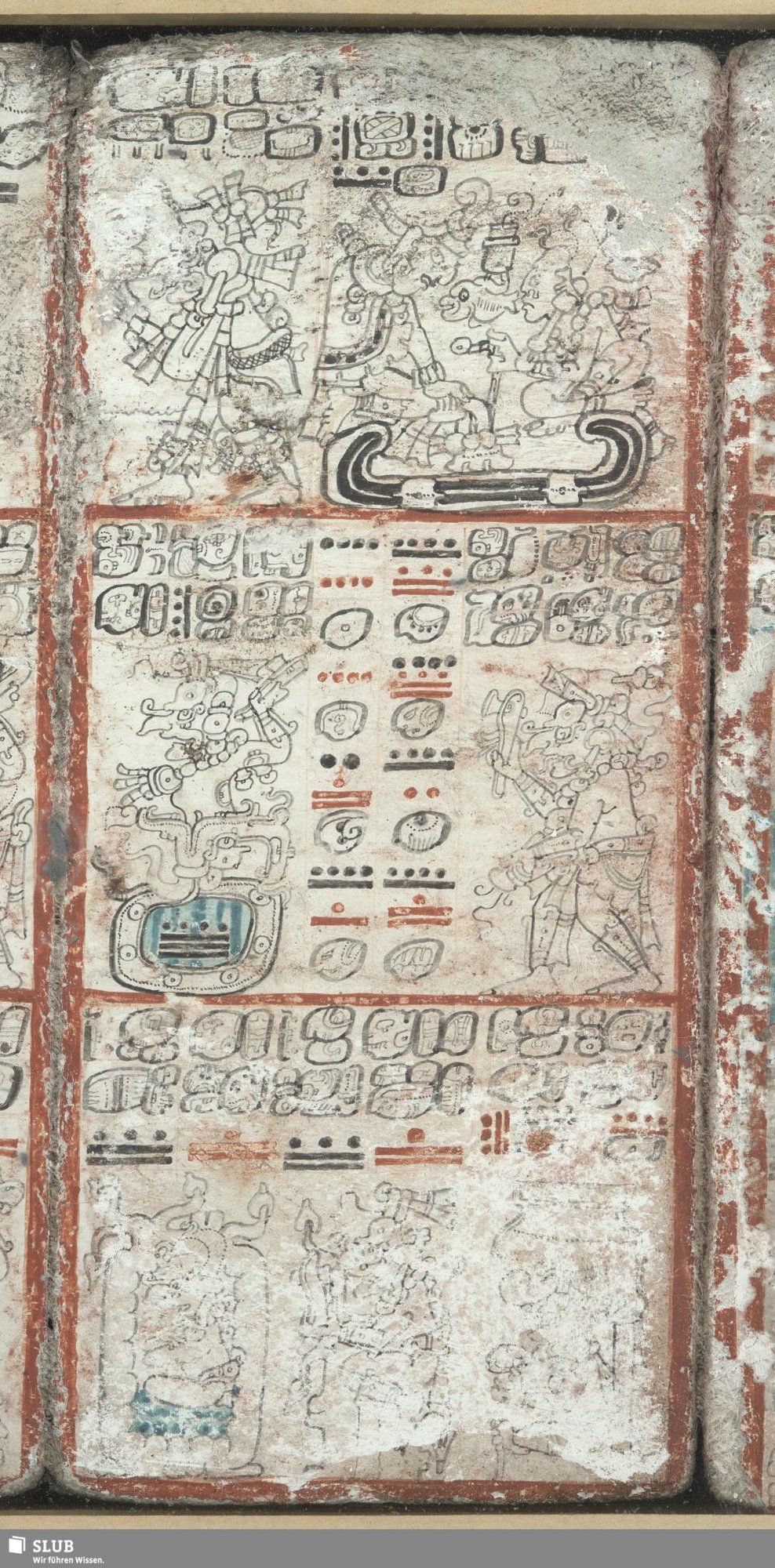
Offerings for the Rain God (Dresden Codex, Pages 33 and 35)
Dresden Codex, painted in Yucatán, probably in the century before the Spanish conquest, Early Americas
Epigraphic Mayan
Letter
The Second Voyage Reaches the Islands of the Caribs
Chanca, written on Hispaniola, probably early 1494, Early Americas
Spanish
Report
The Images in the Field
Pané, written about 1496–1498 (events of about 1495–1497); printed in Italian, 1571, Early Americas
Italian
Letter
The First Meeting at Porto Seguro, 1500
Caminha, written April 26 to May 1, 1500, Early Americas
PortugueseChecked
Letter
Iztapalapa, the Causeway and the City on the Lake
Cortés, dated October 30, 1520; printed at Seville, 1522, Early Americas
SpanishChecked
Letter
The Great Market of Tenochtitlan
Cortés, dated October 30, 1520; printed at Seville, 1522, Early Americas
SpanishChecked
Description
Tenochtitlan, Its Food, Drink and Market
The Anonymous Conqueror, written in Spanish some years after 1521 (original lost); printed in Italian at Venice, 1556, Early Americas
Italian
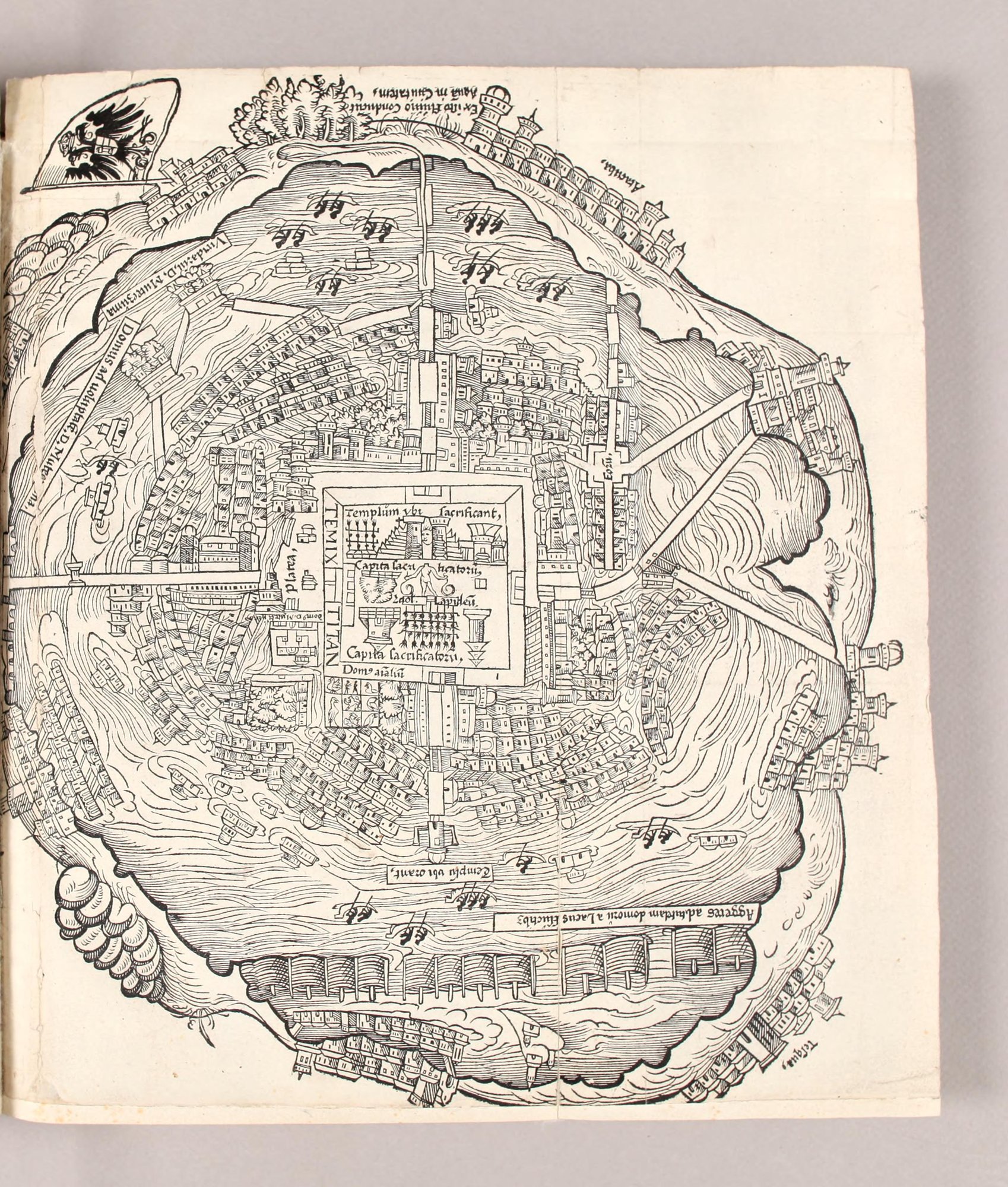
Map
The First Printed Map of Tenochtitlan
Nuremberg map, 1524, printed at Nuremberg, March 1524; the city as Cortés's men saw it in 1519–1520, Early Americas
LatinChecked
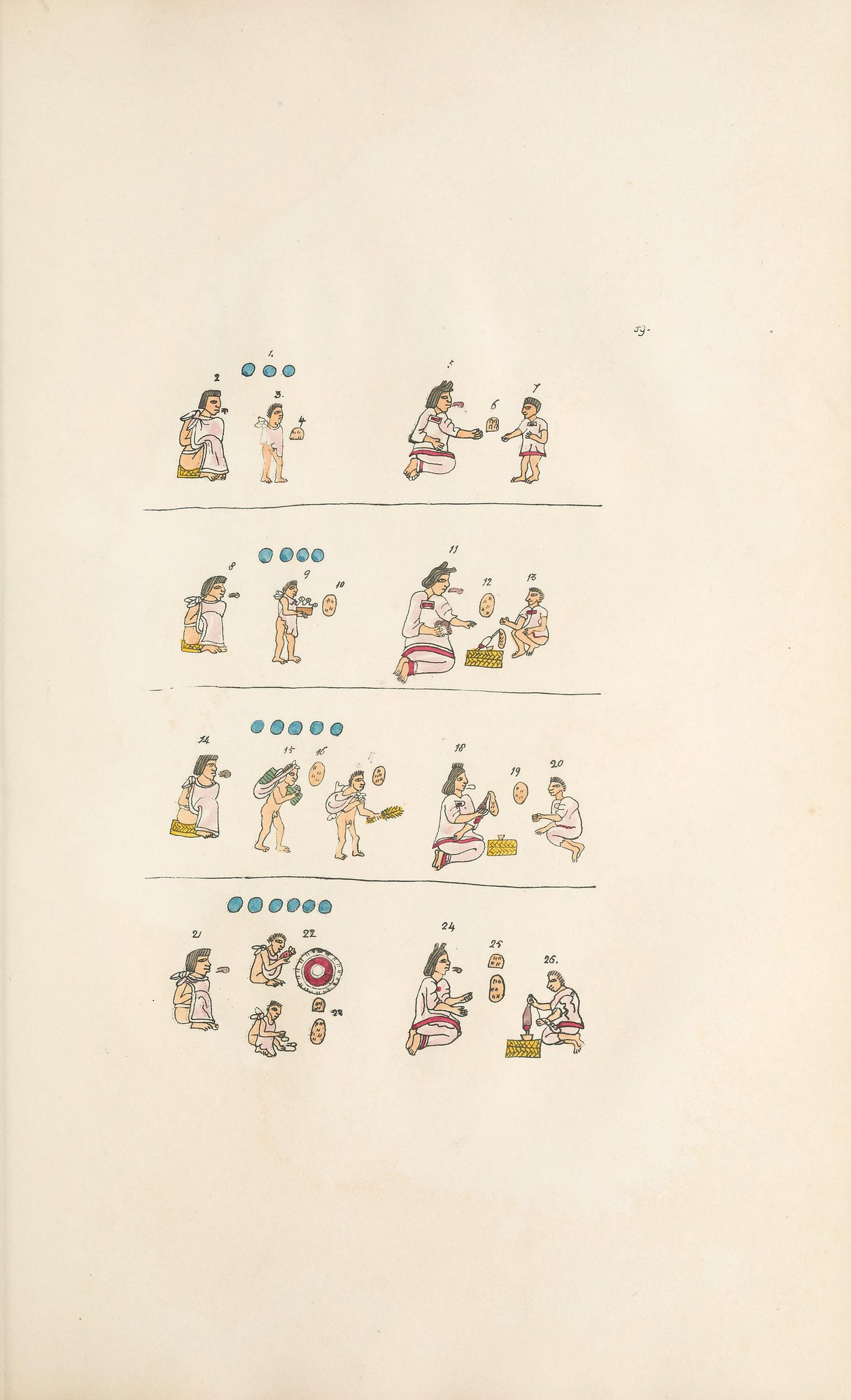
Manuscript painting
Raising Children, Ages Three to Fourteen (Codex Mendoza)
Codex Mendoza, painted in Mexico City, probably about 1541; the customs are those before the Spanish conquest of 1521, Early Americas
Spanish
Travel account
Winter at Stadacona and the Cedar Cure
Cartier, events of December 1535 to April 1536; printed 1545, Early Americas
FrenchChecked
History
The Mexica Embassy and the Smallpox in Michoacán
Relación de Michoacán, compiled about 1539–1541, Early Americas
Spanish
Treatise
A Short Account of the Destruction of the Indies (Opening)
Las Casas, written 1542, printed 1552, Early Americas
SpanishChecked
History
Inca Storehouses and the Palaces of Tumebamba
Cieza de León, printed at Seville, 1553, Early Americas
Spanish
Poetry
Songs of Flowers and Parting
Nahua singers, sung before and after the Spanish conquest; written down in the sixteenth century; printed 1887, Early Americas
Classical Nahuatl
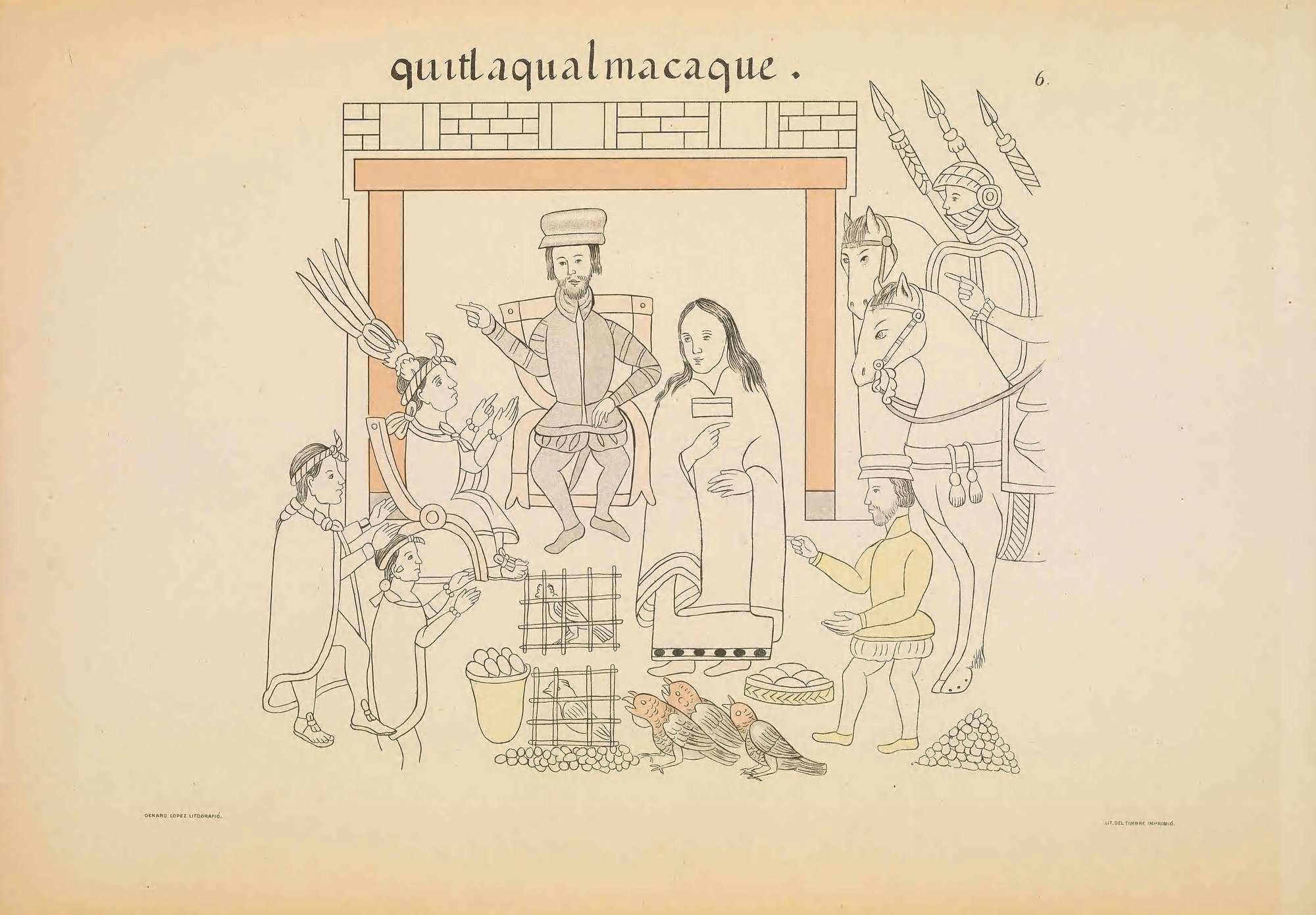
Manuscript painting
“They Gave Him Food”: Two Scenes from the Lienzo de Tlaxcala
Lienzo de Tlaxcala, painted at Tlaxcala between about 1550 and 1561; the events of 1519, Early Americas
Classical Nahuatl
Annals
The Pestilence at Iximche
Xahil family annals, events of the early 1520s (Brinton dates the king’s death to 1521); written down later in the sixteenth century, Early Americas
Kaqchikel
Literature
The People Made of Maize
Popol Vuh, a creation story; written down in Latin letters probably in the 1500s; the surviving copy made about 1700–1715, Early Americas
K’iche’
History
Moctezuma Comes Out to Meet the Strangers
Sahagún, compiled from the 1550s to the 1570s, Early Americas
SpanishChecked
History
The Smallpox in Mexico, 1520
Sahagún, compiled from the 1550s to the 1570s, Early Americas
Spanish
Manual
What to do on the farm each month
Tusser, 1580 edition; first printed, as a hundred points, in 1557, Keeping Time
Early Modern EnglishChecked
Speech
A Lord's Advice to His Daughter
Sahagún, compiled from the 1550s to the 1570s, from speeches remembered from before the Spanish conquest; printed 1829, Early Americas
Spanish
Description
Good and Bad Sellers in the Market
Sahagún, compiled from the 1550s to the 1570s; printed 1830, Early Americas
SpanishChecked
History
The Bison Plains and the People Who Follow the Herds
Castañeda, written in the 1560s, more than twenty years after the events; surviving copy dated 1596, Early Americas
SpanishChecked
History
The Road into Mexico
Bernal Díaz, written in Guatemala, finished in a fair copy in 1568, Early Americas
SpanishChecked
History
Moctezuma's Table and the Market of Tlatelolco
Bernal Díaz, written in Guatemala, finished in a fair copy in 1568, Early Americas
SpanishChecked
Travel account
Making Manioc Flour in a Tupinambá Village
Léry, printed 1578, revised 1580, Early Americas
French
Report
The Calpulli and Its Lands
Zorita, written in Spain after Zorita's return from Mexico in the mid-1560s; first printed in French in 1840 and in Spanish in 1864, Early Americas
Spanish
Description
Maize, Markets and Books in Yucatán
Landa, written in the mid-1560s, Early Americas
SpanishChecked
Natural history
Cacao, Chili and Maize
Hernández, written in New Spain about 1571–1577; Recchi's selection printed at Rome, 1651, Early Americas
Latin
History
The Markets and Their Laws
Durán, written in Mexico in the mid-1570s; first printed at Mexico, 1880, Early Americas
Spanish
Travel account
Bloody Point and the Two Captives
Best, events of August 1–6, 1577; printed 1578, Early Americas
EnglishChecked
Government report
Teotihuacan Answers the King
Teotihuacan elders, March 1, 1580, Early Americas
Spanish
Report
Growing Up in Texcoco
Pomar, dated at Texcoco, March 9, 1582; first printed at Mexico, 1891, Early Americas
Spanish
Report
The Sickness That Followed the English
Harriot, events of 1585–1586; first printed London, dated February 1588 (February 1589 in our calendar); reprinted Frankfurt 1590, Early Americas
EnglishChecked
Travel account
Into the Orinoco Delta
Raleigh, events of May 1595; printed London 1596, Early Americas
English
Literature
The Dream: a journey to the Moon
Johannes Kepler, Written in Prague about 1609; notes added 1620–30; published 1634, Innovation in History
LatinChecked
Travel account
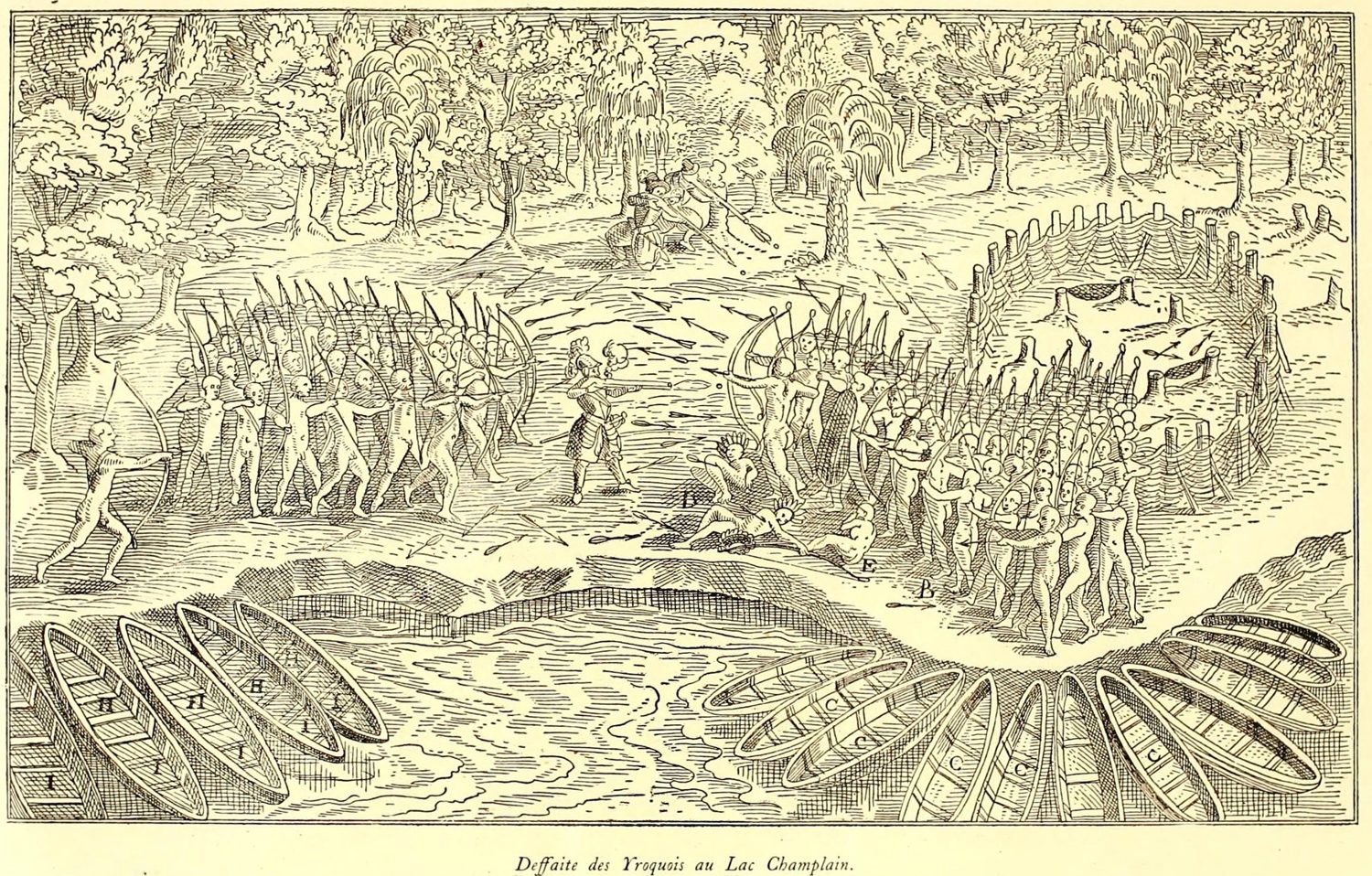
Champlain Fights beside the Algonquin and Wendat
Champlain, events of late July 1609; printed 1613, Early Americas
FrenchChecked
Travel account
The Mi'kmaq and the French, and the Sickness among Them
Biard, printed 1616, Early Americas
French
Treatise
How the Angola Trade Fed Cartagena
Sandoval, first printed 1627; this text from the second edition, 1647, Early Americas
Spanish
History
The First Winter and Squanto's Corn
Bradford, events of the winter and spring of 1620–1621; written about 1630–1650, Early Americas
EnglishChecked
Travel account
The Wendat Feast of the Dead
Brébeuf, events of spring 1636 (the Monday after Pentecost); written 1636, printed 1637, Early Americas
French
Travel
How Chocolate Is Made and Drunk
Gage, printed at London, 1648, Early Americas
Early Modern English
Dictionary
Corn, Land, and the Women's Fields
Williams, printed London 1643, from Williams's years among the Narragansett from the early 1630s, Early Americas
EnglishChecked
Diary
A diary for every day of the year
Pepys, January 1660 to June 1669, written day by day, Keeping Time
Early Modern EnglishChecked
Diary
A London Diary of the Plague Year, 1665
Samuel Pepys, June 7–December 31, 1665, Once in a Lifetime
English
Travel account
A Winter of Famine by Lake Superior
Radisson, events of the winter of 1659–1660; written about 1668–1669, Early Americas
English
Travel account
Taking the waters at Bath
Fiennes, an undated visit before 1702, perhaps on one of her early journeys; written up about 1702; first printed 1888, Checking In
English
Letter
Engrafting against Smallpox
Lady Mary Wortley Montagu, April 1, 1717 (Old Style); published 1763, Innovation in History
EnglishChecked
Pamphlet
What the Africans of Boston Knew about Inoculation
Cotton Mather and Zabdiel Boylston, 1721, Innovation in History
EnglishChecked
Sermon
A Sermon against Inoculation
Edmund Massey, preached July 8, 1722, Innovation in History
EnglishChecked
Memoir
Peace in the Town-House at Chota
Timberlake, events of December 1761; printed at London, 1765, Early Americas
English
Travel account
Trading with the Tlingit at Lituya Bay
La Pérouse, written 1786, printed 1797, Early Americas
French
History
Philadelphia in Terror, 1793
Mathew Carey, November 1793, during the last weeks of the epidemic, Once in a Lifetime
English
Pamphlet
We Have Seen More Humanity: An Answer to Carey
Absalom Jones and Richard Allen, January 1794, Once in a Lifetime
English
Medical
Instructions for Vaccine Inoculation
Edward Jenner, about 1799–1801, Innovation in History
EnglishChecked
Description
The Rooms of the Tremont House
Eliot, 1830, on the hotel opened in October 1829, Checking In
EnglishChecked
Memoir
Remembering the Yellow Fever of 1793
Samuel Breck, written 1830 or later (events of 1793); published 1877, Once in a Lifetime
English
Travel account
A free ticket on an early pleasure cruise
Thackeray, voyage of 1844; preface and book published 1846, Checking In
EnglishChecked
Literature
The Man of Rabinal
Rabinal Achi, set before the Spanish conquest; written down in 1850, printed 1862, Early Americas
Achi
Travel account
The Program of the Grand Pleasure Excursion
Twain, programme dated February 1, 1867; book published 1869, Checking In
English
Literature
Signals from the Brick Moon
Edward Everett Hale, December 1869, Innovation in History
EnglishChecked
Literature
Stories from Tolstoy's Reading Primer
Tolstoy, Written 1871–72; published November 1872, Living Scripts
RussianChecked
Government report
The Plague Act and the House Searches, Bombay 1897
Government of India (R. Nathan, compiler), 1898, Once in a Lifetime
English
Letter
Why Single Out One? A Scientist on Typhoid Mary
W. P. Mason, July 1909, Once in a Lifetime
English
Literature
Greenhouses in Orbit
Tsiolkovsky, Written January–April 1917; printed in part in Priroda i liudi, 1918, and in full at Kaluga, 1920, Innovation in History
RussianChecked
Pamphlet
The Government Explains the Flu, 1918
U.S. Public Health Service, September 28, 1918, Innovation in History
EnglishChecked
Medical
A Wrong Cure for the Spanish Influenza
Louis Dechmann, 1 February 1919, Once in a Lifetime
English
Statement
Signing the National Aeronautics and Space Act
Dwight D. Eisenhower, July 29, 1958, Innovation in History
EnglishChecked
Speech
We choose to go to the Moon
John F. Kennedy, September 12, 1962, Innovation in History
EnglishChecked

Classroom units
Hearth Learning ›Checking In, Unit 1
Being a guest
How were travelers and guests treated, and what did hosts owe them?
8Accessible, Moderate
Checking In, Unit 2
Selling comfort
How did inns, hotels, restaurants, cruises and stores sell comfort and pleasure?
6Moderate
Early Americas, Unit 1
First encounters
Whose account of first contact can we trust, and why?
24Moderate, Challenging
Early Americas, Unit 2
Food, farming, and Native knowledge
What did Europeans learn from Native farmers, cooks, and healers, and how did they describe it?
13Moderate, Challenging
Early Americas, Unit 3
Violence, disease, and blame
Whom did writers blame for the suffering that followed contact?
14Moderate, Challenging
Kitchen, Farm and Fable, Unit 1
Running a home and a farm
What did ancient writers think a well-run home or farm needed, and who did the work?
3Accessible, ModerateChecked
Kitchen, Farm and Fable, Unit 2
Learning and good conduct
How did ancient teachers say people should learn and treat one another?
2ModerateChecked
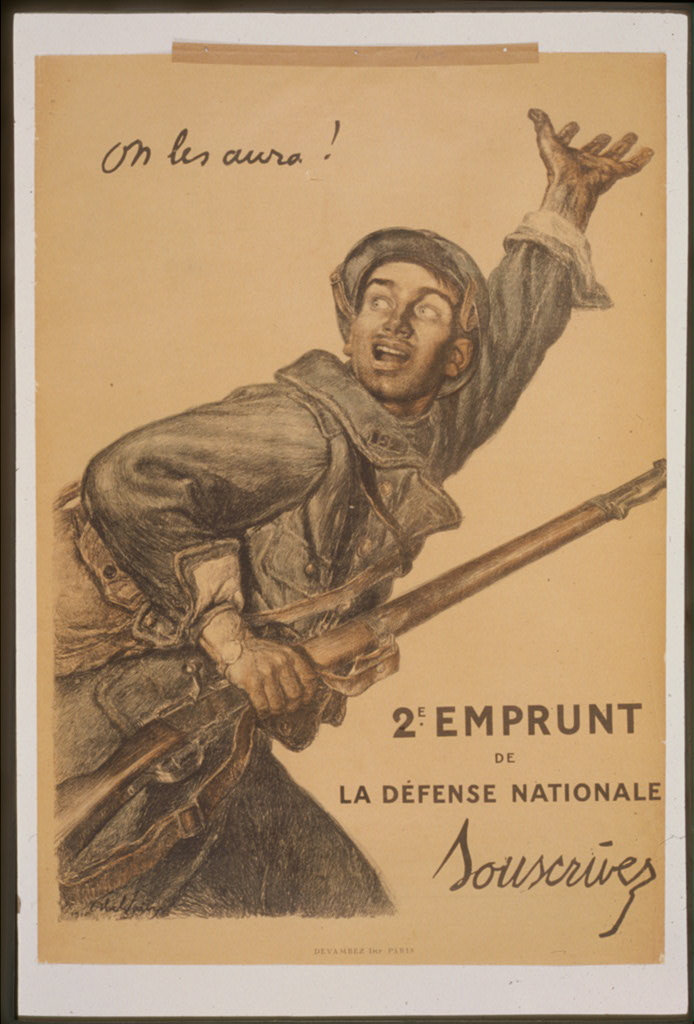
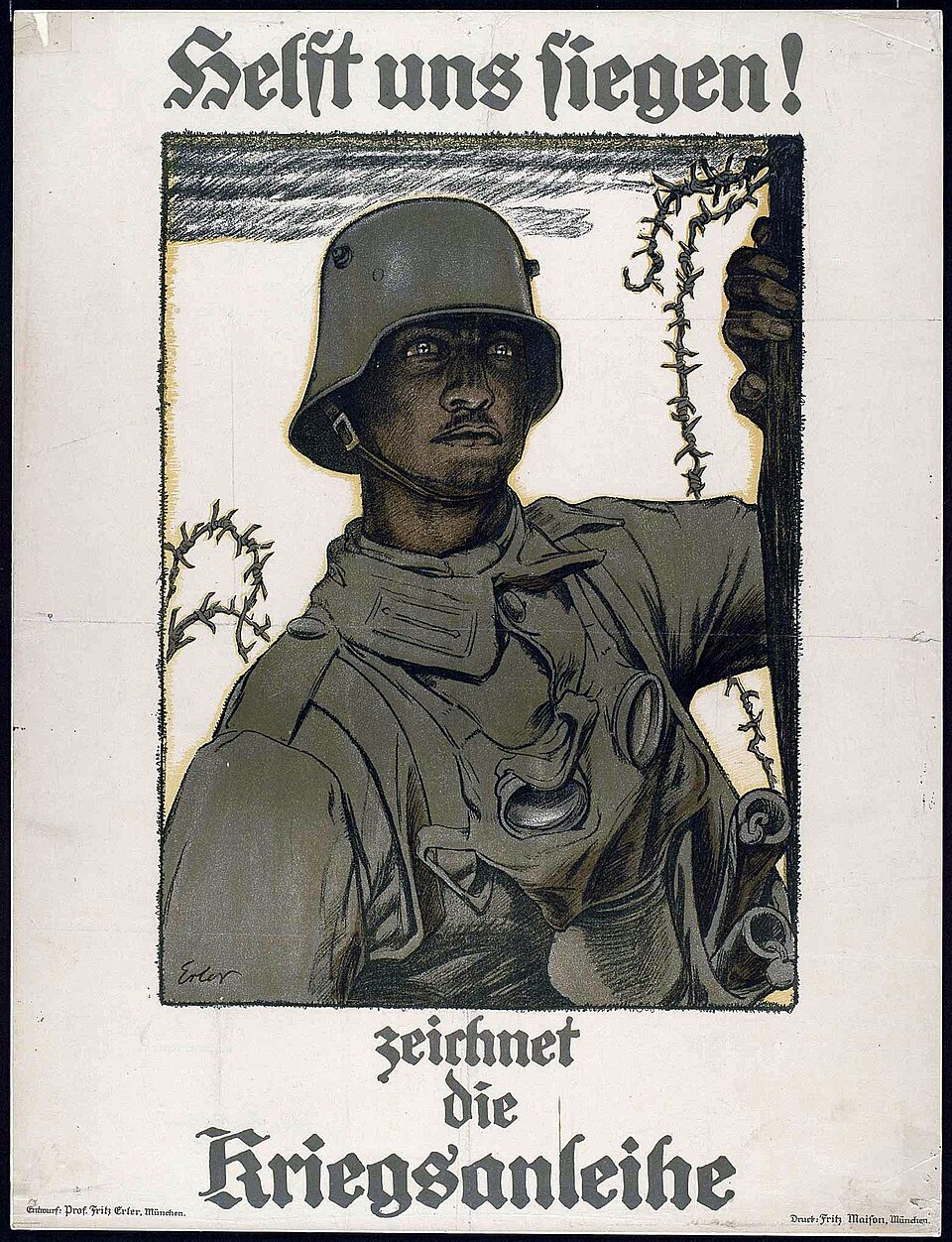
Great War Propaganda, Unit 1
How does a poster persuade?
What did wartime posters ask people to do, and how did they make their case?
3AccessibleChecked
Innovation in History, Unit 1
From inoculation to vaccine
How did a new way to prevent smallpox spread, and why did people resist it?
5Moderate, ChallengingChecked
Innovation in History, Unit 2
Counting and mapping disease
How did gathering evidence change what people did about disease?
2Accessible, ModerateChecked
Innovation in History, Unit 3
Imagining space travel
How did ideas about space travel move from stories to a national program?
5ModerateChecked
Innovation in History, Unit 4
New ways to travel, eat and shop
Who gained from new ways of serving travelers, diners and shoppers, and what changed for them?
5ModerateChecked
Innovation in History, Unit 5
Fixing the calendar
Why did the Romans need to reform their calendar, and how did the reform last?
2ModerateChecked
Keeping Time, Unit 1
Naming the months
Why are the months and days called what they are, and who decided?
2ModerateChecked
Keeping Time, Unit 2
Fixing the year
How did people make the calendar keep in step with the seasons?
2ModerateChecked
Keeping Time, Unit 3
Living by the calendar
How did the calendar shape people's work and daily lives?
2ModerateChecked
Once in a Lifetime, Unit 1
Who gets blamed?
Why do epidemics produce scapegoats?
2Accessible, ModerateChecked
Once in a Lifetime, Unit 2
The healer's burden
What does an epidemic ask of those who care for the sick?
4ModerateChecked
Once in a Lifetime, Unit 3
Governments, quarantine, and consent
When may authorities restrict people to stop a disease?
3ModerateChecked
Once in a Lifetime, Unit 4
Explaining disease before germs
How did people make sense of what they couldn't see?
7Accessible, ModerateChecked
Once in a Lifetime, Unit 5
Faith and catastrophe
How did religious believers respond, and did responses differ?
7Moderate, ChallengingChecked
Once in a Lifetime, Unit 6
After the plague
Did epidemics change societies, or did people go back to normal?
3ModerateChecked
Once in a Lifetime, Unit 7
Case study: smallpox
How did a terrifying disease become the only one ever eradicated?
6Moderate, ChallengingChecked
Once in a Lifetime, Unit 8
Reading sources critically
How do we decide whom to believe?
7Accessible, ModerateChecked
Reaching Space, Unit 1
Imagining life off the Earth
How did people picture traveling and living in space before anyone went?
3ModerateChecked
Reaching Space, Unit 2
Why go to space?
What reasons did leaders give for going to space, and whom were they trying to persuade?
2ModerateChecked
The Story of English, Unit 1
How English changed
How did English change between King Alfred's time and Shakespeare's?
3ModerateChecked
The Story of English, Unit 2
Everyday writing
What can ordinary texts, such as yearly records, recipes, farm verses and travelers' reports, tell us about daily life?
4ModerateChecked
No results match all of these filters.